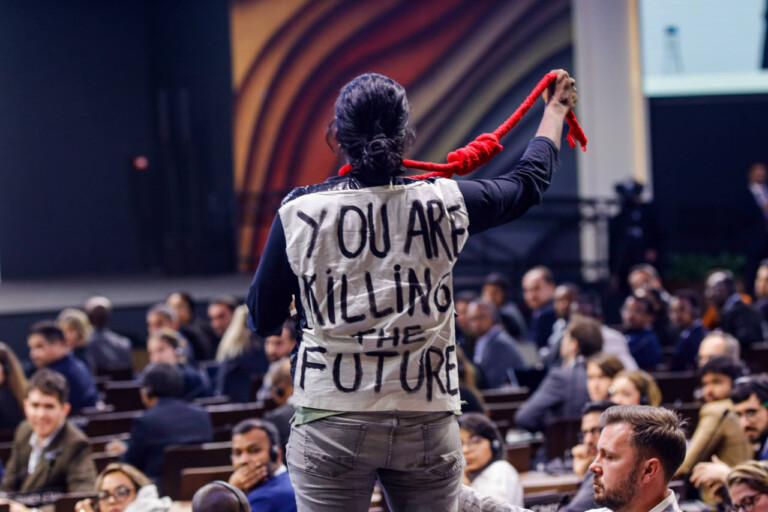
The UN climate summit ended without a final agreement. For People’s Palace Projects, that makes the case for culture in climate action and policy more urgent.
Cover photo by: Oliver Kornblihtt / Mídia NINJA
London, 26 November 2026 – Talks in Antalya, Turkey, ran two days past their scheduled close and ended on 22 November without a cover decision, the overarching political statement that usually concludes a COP. It was the first summit since Copenhagen in 2009 to finish without one.
The final draft removed all references to fossil fuels, the main driver of climate change, prompting the EU, small island states and other climate-vulnerable nations to reject it. The draft also dropped a proposed U$120 billion adaptation finance target for developing countries.
When negotiations fail, the relationships built around them matter more. At COP31, People’s Palace Projects (PPP) worked to strengthen the alliances that place culture at the heart of climate action.
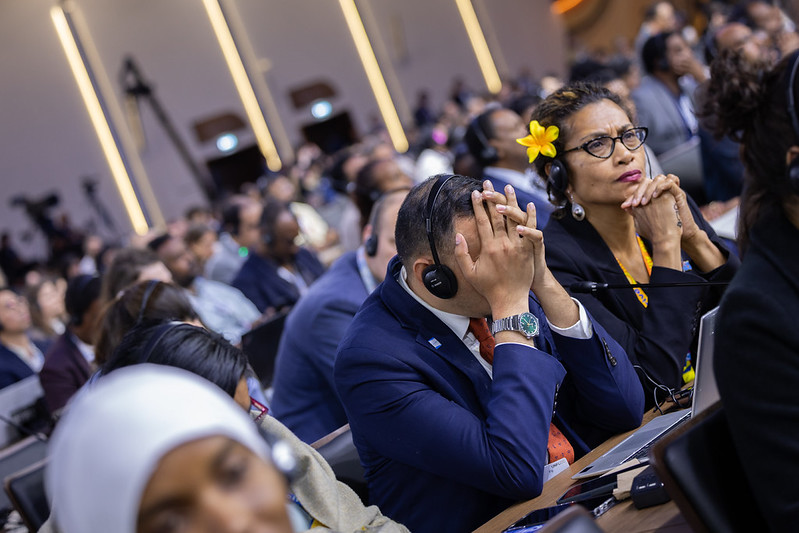
Photo: © UN Climate Change – Kiara Worth
Moving culture from advocacy to implementation
At the 4th High-Level Ministerial Dialogue on Culture and Climate Change, PPP reaffirmed its commitment to working as a Knowledge Partner of the Group of Friends for Culture-Based Climate Action, a ministerial coalition bringing together 56 ministries of culture committed to integrating culture into national climate policies and planning. The Group is co-chaired by Brazil’s Minister of Culture, Margareth Menezes, and the UAE’s Minister of Culture, Salem bin Khalid Al Qassimi.
Thiago Jesus, Co-Director of People’s Palace Projects, said:
“At the very heart of PPP’s work is our commitment to communities, who are partners in co-creating knowledge and generating real-world social, cultural and policy impact. As a Knowledge Partner of the Group of Friends, we remain committed to working with all members connecting research, policy and practice, moving culture from advocacy to implementation and into national climate policies and planning.”
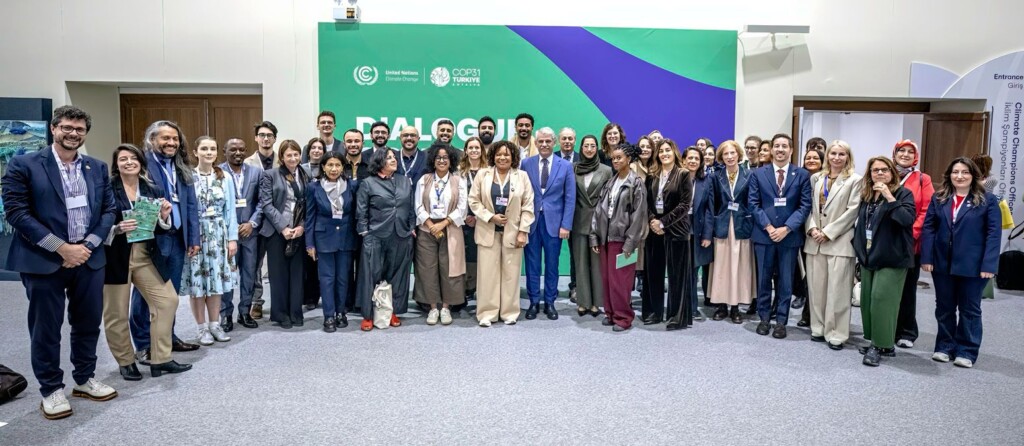
Photo by Filipe Araujo / MinC
As part of PPP’s contribution, Thiago Jesus wrote the chapter on tackling climate change and promoting environmental sustainability through culture for UNESCO’s first Global Report on Cultural Policies, “Culture: The Missing SDG”, launched at MONDIACULT 2025 in Barcelona (UNESCO). The chapter draws together evidence from UNESCO Member States on cultural policy, heritage, creative practice and Indigenous knowledge to identify gaps and offer recommendations on how culture is recognised within climate policy.
Years of collaboration with Brazil’s Ministry of Culture
PPP has been involved in international efforts to bring culture into climate action since COP26. It contributed to the creation of the Group of Friends at COP28 in Dubai, a moment that also marked the start of a three-year partnership with Brazil’s Ministry of Culture.
Since then, PPP has helped shape and curate the Ministry’s International Seminars on Culture and Climate Change, held during Brazil’s G20 and COP30 Presidencies and during São Paulo and London Climate Action Weeks in 2026.
Earlier this year, in partnership with Julie’s Bicycle, PPP ran a capacity-building programme for senior Ministry officials, supporting the development of Brazil’s first National Programme on Culture, Environment and Climate Change.
A roadmap for culture in climate policy
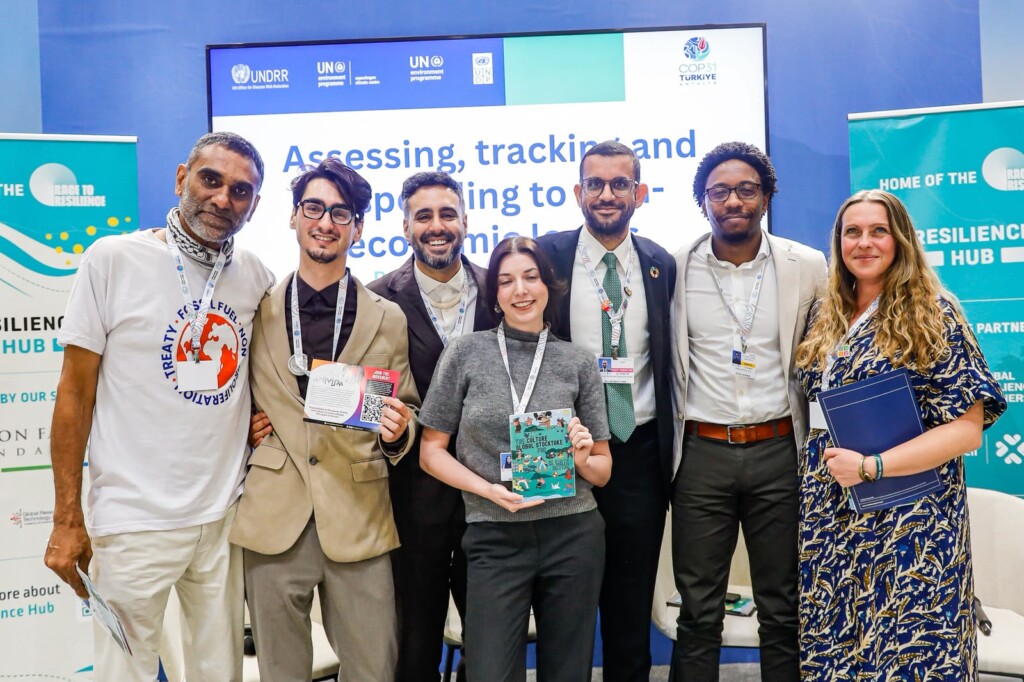
Photo by Resilience Hub
PPP also celebrated the launch of the first Culture Global Stocktake for Climate Action (CGST) led by the Entertainment + Culture Pavilion, having supported the drafting of the document in Marrakech. Combining contributions from hundreds of cultural actors and organisations around the world, the CGST sets out a roadmap for bringing culture into climate policy and action.
“International cooperation is increasingly fragile. That is exactly why culture matters: it helps rebuild trust, brings people together and sustains the collective optimism that climate action demands”, added Thiago Jesus.
Read the Culture Global Stocktake for Climate Action
Optimism in a time of crisis
In a COP panel moderated by Thiago Jesus, Kumi Naidoo, President of the Fossil Fuel Non-Proliferation Treaty Initiative and co-founder of the Global Artivism movement, said this moment of pessimism must be met with the optimism of thought, action, creativity and courage.
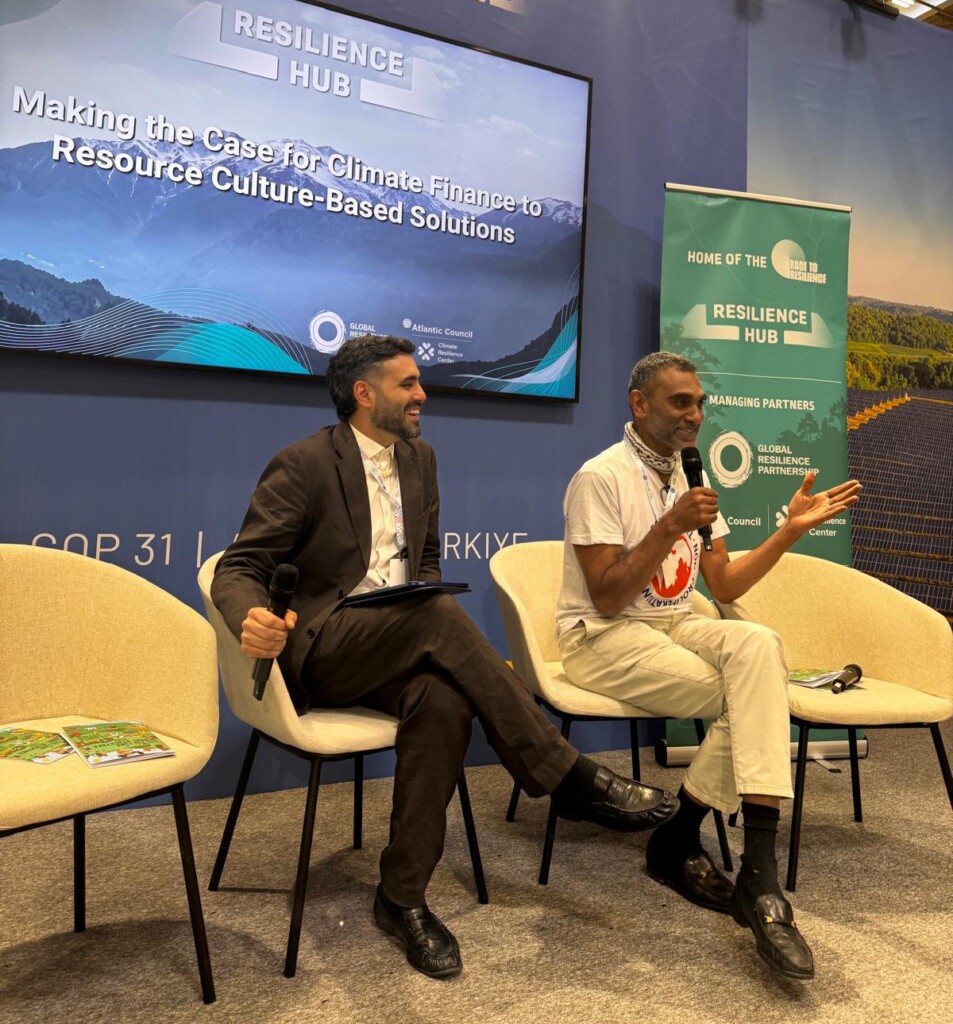
Photo by Syed Jazib Ali
A new partnership with Gola Culture
COP31 also brought PPP closer to its new partner Gola Culture, Art and Ecology Association, from Türkiye’s Eastern Black Sea region. The collaboration, funded by the British Council’s Creative Climate Collaborations Programme for COP31, began before the summit. In Antalya, the two organisations met in person for the first time and presented the project together.
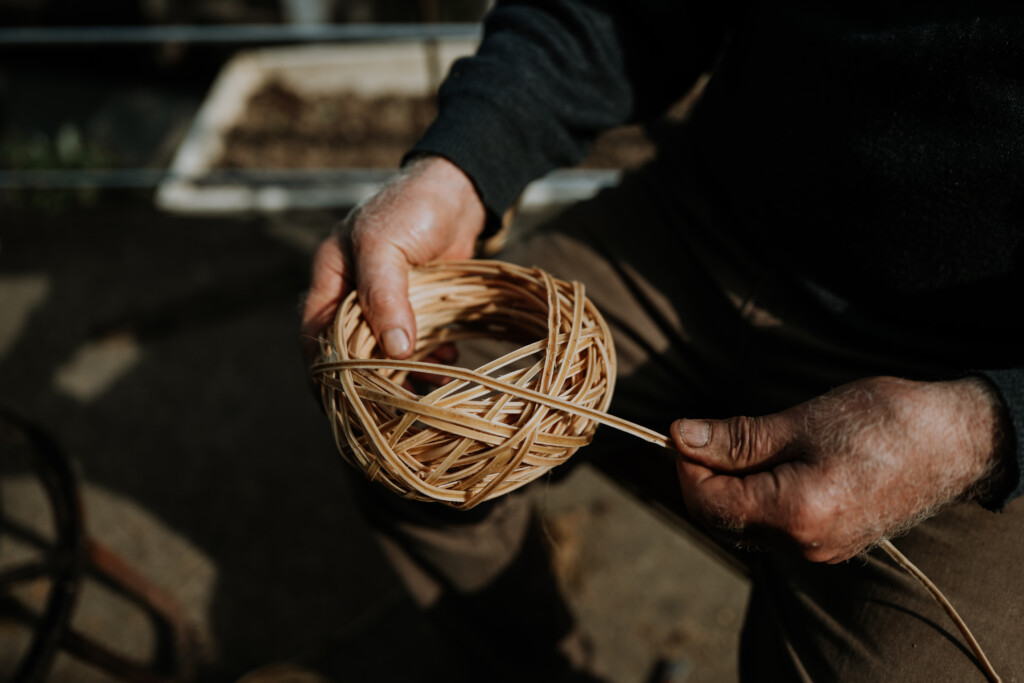
Photo Gola Collection
Gola Culture is working with director llkay Nisanci on a documentary about basket weaving as an example of nature-based ways of producing in the Eastern Black Sea region and how cultural memory can inspire more sustainable futures. The film will follow Hayrettin, a master basket weaver, and his son who continue the traditional craft of basket weaving in Dikyamaç village, Arhavi, using vines and hazel branches gathered from the surrounding landscape. Stay tuned for more.
Ethiopia on the horizon
“Everything that was left unresolved in Antalya now travels to Addis Ababa, the first COP hosted by a least developed country. Until then, we will keep working to ensure that culture remains central to how we rebuild trust, strengthen solidarity and deliver climate action that reaches communities,” concluded Thiago Jesus.
Read QMUL article on COP31 https://www.qmul.ac.uk/news/latest-news/2026/queen-mary-news/pr/queen-mary-brings-expertise-in-climate-policy-and-culture-to-cop31-.html